For many, the car has long become not just a means of transportation, but a real travel companion — from spontaneous trips outside the city to multi-day routes through different regions and countries.
Wheels for long-distance roads: how to make the right choice
In this format, it is especially important that every part of the machine works reliably and predictably, including the wheels.
Properly selected wheels affect not only the appearance of the car, but also stability on the highway, comfort on long stretches, fuel consumption and overall safety on the road. That is why, when preparing a car for trips, it is worth focusing not on the appearance, but also on the technical aspects — whether they are standard sizes or popular options like rims on 18R cars.
In this article, we’ll look at which parameters are really important when choosing disks, how the main types differ, how to read the markings, and what to pay attention to for those who often go on road trips.
Which disk parameters should you know first
Before buying, you need to understand the basic technical characteristics of the discs. They determine whether the disc will fit your car physically and whether it will work correctly on the highway, in the mountains or on broken regional roads.
PCD (loosening)
Main parameters:
- Diameter (R) — measured in inches (R15, R16, R17, etc.)
- The disk width is also in inches (6.5J, 7J, 8J, etc.)
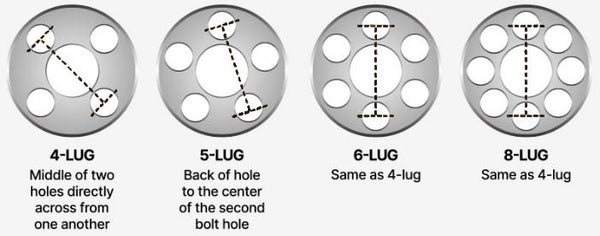
- PCD (loosening) — the number of mounting holes and the diameter of the circle (for example, 5×112)
- Departure (ET) — the distance from the landing plane to the center of the disk
- DIA (central hole) — diameter of the landing hole for the hub
If at least one parameter is selected incorrectly, it can lead to:
- steering wheel runout at speed
- poor directional stability
- increased suspension wear
- hitting arches or brake elements
For car travelers, it is especially important that the discs work correctly over long distances, where minor problems quickly turn into serious ones.
Types of disks: what are the types and how are they different
There are three main types of disks.
1. Stamped (steel)
- The most affordable
- They take shocks well
- Easy to repair
- Heavier and simpler in appearance
2. Cast (aluminum)
- Lightweight
- Large selection of designs
- Improve handling
- Less resistant to strong impacts than steel
3. Forged
- Maximum strength
- Minimum weight
- High price
- Suitable for active riding and difficult routes
For traveling on mixed routes (highway + regional roads), high-quality alloy wheels are most often chosen as an optimal balance of weight, strength and price.
How to choose the right size for long-distance trips
How to choose the right size for long-distance trips
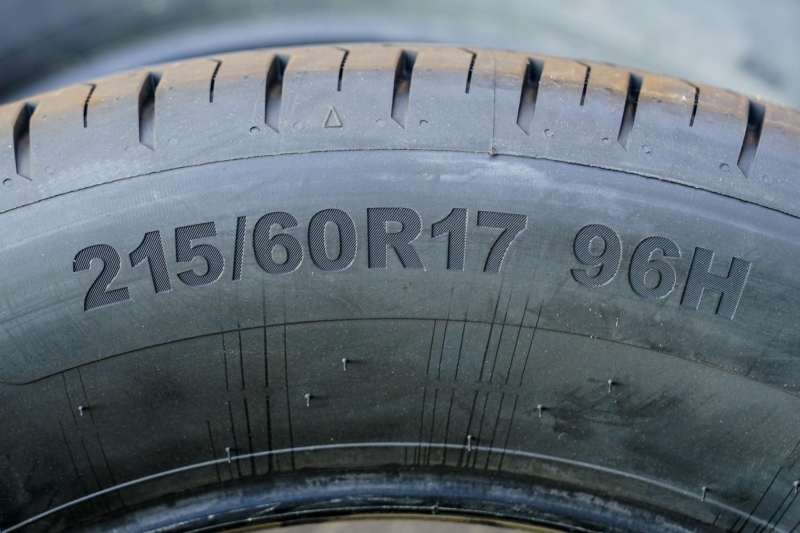
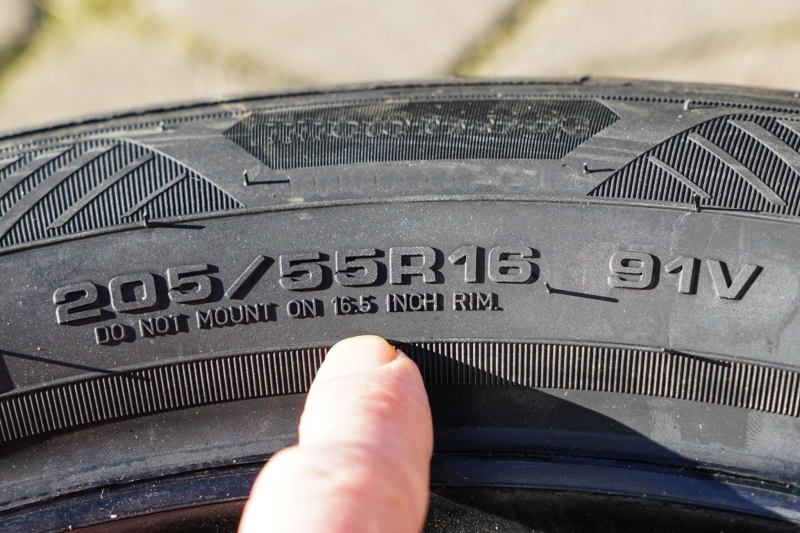
Car manufacturers usually specify several acceptable disk sizes.
For example:
- R16 — maximum comfort
- R17 — balance of comfort and handling
- R18 — emphasis on appearance and precision of control
For traveling, it is important to consider
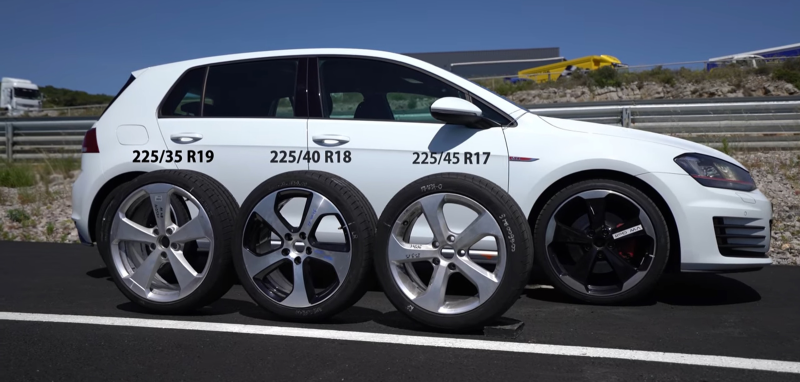
- The larger the diameter, the lower the profile of the tire
- A low profile tolerates bad roads worse
- Large disks are more expensive to repair and replace
If you are planning trips to regions with different coverage quality, the most practical choice is the average factory size recommended by the manufacturer.
Departure and loosening: why it is critical on the road
Even a perfect-looking disc won’t work if the PCD and ET are incorrectly matched.
- Small reach — the wheel protrudes outward
- Large reach — the wheel goes inside the arch
- Incorrect loosening — installation is impossible
When traveling, any non-standard solutions (spacers, adapters) increase the risk, so it is better to adhere to the factory values.
Disk marking: how to read it
Example:
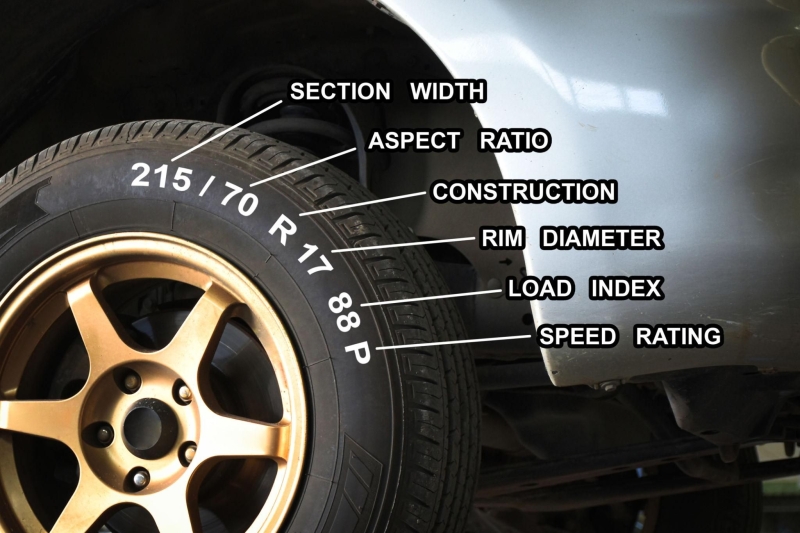
- 7.5Jx17 5×112 ET45 DIA66.6
- 7.5J — width
- 17 — diameter
- 5×112 — loosening
- ET45 is the exit
- DIA66.6 is the center hole
Knowing this formula, you can quickly check disk compatibility even on the go.
What is especially important for an auto tourist
- Reliability is more important than design
- The moderate profile of the tire tolerates pits better
- The common size is easier to find on the road
- The possibility of quick replacement is a great advantage
Well—matched discs reduce fatigue on long trips and make the route more predictable.
Where to look for suitable options
After you have determined the parameters, it is logical to proceed to viewing the range of discs with filters by make, model and year of manufacture of the car.
At this point, it is appropriate to unobtrusively suggest going to the store’s catalog, where you can select discs according to their parameters and compare the available options.
Frequently Asked Questions
Is it possible to put larger diameter discs for traveling?
It is possible if the manufacturer allows it and the correct tires are selected.
Do the discs affect fuel consumption?
Yes. Heavier discs increase the load.
Do I need centering rings?
Yes, if the disk DIA is larger than the hub.
Bottom line for those who love roads
The choice of discs is a contribution to the reliability of the car and peace of mind on the way. Focus on the factory settings, the actual operating conditions, and the routes you plan to travel.
Then every trip — from the nearest city to a long—distance trip – will be comfortable, safe and predictable.
